-
Products
- Lab Instruments
- Lab Meters and Probes
- Chemistries, Reagents, and Standards
-
Online Analyzers
Ammonium Analyzers Ammonia Monochloramine Analyzers Chlorine Analyzers
- CL17sc
- CL10sc Amperometric
- 9184 sc Amperometric
- Ultra Low Range CL17sc Colorimetric Chlorine Analyser
EZ Series Analysers- EZ Phosphate
- EZ ATP
- EZ Alkalinity
- EZ Aluminium
- EZ Ammonium
- EZ Arsenic
- EZ Boron
- EZ COD
- EZ Chloride
- EZ Chromium
- EZ Colour
- EZ Copper
- EZ Cyanide
- EZ Fluoride
- EZ Hardness
- EZ Hydrogen Peroxide
- EZ Iron
- EZ Manganese
- EZ Nickel
- EZ Nitrate
- EZ Nitrite
- EZ Phenol
- EZ Sample Preconditioning
- EZ Series Accessories
- EZ Series Reagents
- EZ Silica
- EZ Sulphate
- EZ Sulphide
- EZ Total Nitrogen
- EZ Toxicity
- EZ Volatile Fatty Acids
- EZ Zinc
- EZ sc Series Additional Analyzers
- EZ sc Series Inorganics
- EZ sc Series Metals
- EZ sc Series Nutrients
-
Online Sensors and Controllers
Digital Controllers (Transmitters) Controllers (Analog)
- SC4500
- Orbisphere 410/510 Carbon Dioxide
- Orbisphere 410/510 Oxygen
- Orbisphere 410/510 Ozone
- Orbisphere 51x Hydrogen
- Orbisphere 51x Nitrogen
- Pro Series
pH & ORP Sensors- 1200-S pH
- 12mm pH/ORP
- 8362 sc High Purity
- Combination pH/ORP
- Differential pH
- Digital Differential ORP
- Digital Differential pH
- LCP ORP
- LCP pH
- Samplers
- Test Kits & Strips
- Microbiology
-
Lab Equipment and Supply
Apparatus
- Brushes
- Clamps, Rings & Stands
- Crucibles
- Crucibles & Casseroles
- Dispensers & Droppers
- Grab Samplers
- Oil and Grease
- Other Apparatus
- Pipet Aids
- Pipettes
- Racks
- Stir Bars
- Tubing
- Weighing Accessories
Instruments- Balances
- Hot Plates & Stirrers
- Moisture Analysers
- Other Instruments
- Ovens & Incubators
- Thermometers
- Timers
- Vacuum Pump
- Claros Water Intelligence System
- Automated Lab Systems
- Electrochemistry
- Parameters
-
Software Solutions
-
Claros Water Intelligence System
Product Pillars Process Management
- Solutions For:
- BOD/COD Removal
- Nitrification/Denitrification
- Phosphorous Removal
- Sludge Management
Data Management- Solutions For:
- Collection
- Visualization & Analytics
- Reporting
- Data Accuracy
Instrument Management- Solutions For:
- Maintenance
- Troubleshooting
- Remote Access
- Lab and Process Comparison
Industry Challenges Regulatory Compliance Cost Savings Remote Operations Process Optimisation Equipment MaintenanceClaros News Claros Software Release Notes
-
Claros Water Intelligence System
- Industries
- Brands
- Support
- News & Events
Login
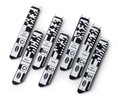
Nitrification Monitoring Test Kit with DR900 Colorimeter
What's included?
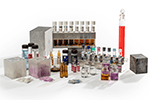
The kit includes:
• DR900 Portable Colorimeter*
• Free Ammonia reagents
• Monochloramine reagents
• Nitrite reagents
• Total Chlorine (LR and HR) reagents
• Sample cells and caps
And, the DR900 Portable Colorimeter included in the kit supports more than 90 water quality testing methods, providing flexibility for additional field monitoring applications beyond nitrification control!
Specifications
Application:
Nitrification
Instrument:
Kit includes DR900 + Sample Cells
Parameter:
Free Ammonia - Measurement Range 0.02 - 0.50 mg/L NH3-N
Monochloramine - Measurement Range 0.04 - 4.50 mg/L Cl2
Nitrite - Measurement Range 0 - 0.350 mg/L NO2-N
Total Chlorine (LR) - Measurement Range 0 - 2.00 mg/L Cl2
Total Chlorine (HR) - Measurement Range 0.1 - 10.0 mg/L Cl2
Monochloramine - Measurement Range 0.04 - 4.50 mg/L Cl2
Nitrite - Measurement Range 0 - 0.350 mg/L NO2-N
Total Chlorine (LR) - Measurement Range 0 - 2.00 mg/L Cl2
Total Chlorine (HR) - Measurement Range 0.1 - 10.0 mg/L Cl2
Range:
0.02 - 0.50 mg/L NH3-N
Range 2:
0.04 - 4.50 mg/L Cl2
Range 3:
0 - 0.350 mg/L NO2-N
Range 4:
0 - 2.00 mg/L Cl2
Range 5:
0.1 - 10.0 mg/L Cl2
What's included?:
The kit includes:
• DR900 Portable Colorimeter*
• Free Ammonia reagents
• Monochloramine reagents
• Nitrite reagents
• Total Chlorine (LR and HR) reagents
• Sample cells and caps
And, the DR900 Portable Colorimeter included in the kit supports more than 90 water quality testing methods, providing flexibility for additional field monitoring applications beyond nitrification control!
• DR900 Portable Colorimeter*
• Free Ammonia reagents
• Monochloramine reagents
• Nitrite reagents
• Total Chlorine (LR and HR) reagents
• Sample cells and caps
And, the DR900 Portable Colorimeter included in the kit supports more than 90 water quality testing methods, providing flexibility for additional field monitoring applications beyond nitrification control!